














The Fast Facts
- CoQ10 is a compound with antioxidant properties. Studies link it with healthy aging.
- CoQ10 levels in the body decline with age. Though there are dietary sources, research suggests that supplementation may promote longevity.
- Our top picks for CoQ10 supplements are California Gold and Needed.
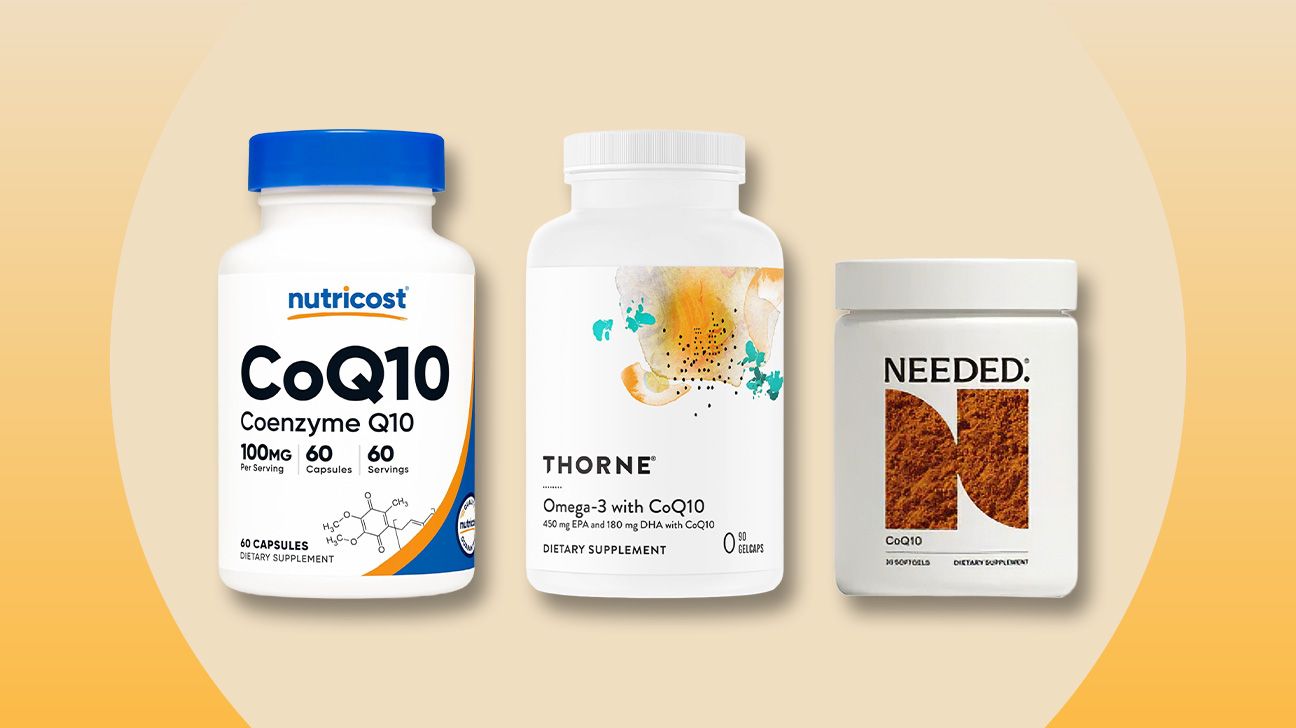
The brands and products on our list have been thoroughly vetted by Healthline’s team of medical experts to ensure they align with our standards and approach to health and well-being.
If a product doesn’t pass our strict criteria, we won’t include it.
Some factors we considered for CoQ10 supplements include third-party testing, evidence-based doses, and detailed customer reviews.
Our Medical Standards and Insights team has carefully researched and vetted over 11,000 products and services. We fact-check health claims, evaluate ingredients, and look into each brand’s reputation before sharing products and services on Healthline.
To choose the brands on this page, we considered all the vitamin brands that passed our vetting process. Then, we personally tested some of them to narrow down our list even further.
CoQ10 is available in two forms: ubiquinol and ubiquinone. One study found no significant difference in how the body absorbs the different forms. Though as CoQ10 is fat-soluble, taking a supplement with a fat-containing meal may improve absorption.
A study found that softgel capsules absorb more efficiently than other CoQ10 supplement forms.
A therapeutic dose of
Additionally, some products offer a broken-down form of CoQ10 or a combination of CoQ10 and oils to improve absorption. A 2021 study suggests CoQ10 may be more bioavailable when taken with selenium.
Many of CoQ10’s benefits are due to its antioxidant properties.
As the body ages, it experiences oxidative stress. This is attributed to the development of many health conditions. By preventing oxidative stress, CoQ10 can help reduce the risk of such conditions.
Research has found CoQ10 supplementation beneficial for the following:
- Fertility: CoQ10 is directly involved in protecting egg and sperm quality and minimizing oxidative damage. Supplementation is thought to improve age-related decline in fertility.
- Skin health: A 2024 study found that topical application of CoQ10 may replenish antioxidant levels in the skin, increase cellular metabolism, and reduce signs of skin aging. However, there is no evidence that taking CoQ10 orally benefits skin health.
- Brain health:
A 2024 study suggests that low blood CoQ10 levels may be linked to increased neurotoxicity in the brain. Animal studies in2019 and2021 found that CoQ10 may slow the progression of Alzheimer’s and Parkinson’s disease. However, human studies are needed to support these claims. - Heart health: A
2021 review of research found that CoQ10 may complement other treatments for heart failure to reduce the risk of hospitalization and death. More studies are needed. - Cancer:
One 2024 review suggests that CoQ10 may prevent the growth of cancer cells.Some studies link low CoQ10 levels with increased risk of certain cancers. The use of CoQ10 in cancer prevention or treatment is an area of ongoing study. - Lung health: 2021 research linked chronic obstructive pulmonary disease (COPD) and asthma with higher levels of oxidized CoQ10 in the lungs, suggesting high oxidative stress.
- Diabetes: A
2024 meta-analysis found that CoQ10 may help regulate blood sugar levels by improving insulin sensitivity. - Exercise: A 2022 study suggests that CoQ10 supplements may help improve exercise performance by reducing fatigue. This is thought to be due to CoQ10 supporting mitochondrial function.
CoQ10 is the subject of ongoing research. Further studies are necessary to prove these benefits and determine the best dose, form, and intake method.
CoQ10 risk and side effects
CoQ10 supplements are
However, CoQ10 supplements may interact with blood pressure and cancer medications, such as warfarin. Speak to a doctor before starting a new supplement.
CoQ10 is found in the following foods:
- organ meats
- fatty fish
- muscle meats
- lentils
- sesame seeds
- peanuts
- pistachios
- soybeans
While CoQ10 is also present in some fruits, vegetables, dairy products, and cereals, it is present in much lower amounts.
CoQ10 supplements may interact with some cancer and blood pressure medications, potentially reducing their effectiveness.
People using these medications should speak to a doctor before taking any new supplements to avoid negative interactions.
CoQ10 may help healthy aging by protecting against oxidative damage. Because CoQ10 levels decline with age, taking a supplement is a popular option to support longevity.
CoQ10 supplements are typically available at 100 mg doses. Some supplements may combine CoQ10 with other ingredients, such as omega-3, collagen, and more.
If you have concerns about taking a new supplement, speak to a healthcare professional.